Elegance That Endures, Crafted with Care

Today we celebrate sustainable craftsmanship and timeless pieces for elegance that lasts, exploring how honest materials, thoughtful design, and responsible making create objects that outlive trends. Expect practical guidance, intimate workshop stories, and ways to build, care for, and cherish goods meant to accompany your life for decades. We will share techniques that transform maintenance into ritual, explain why durability is a design decision, and invite you to join a community that values repair, respect, and beauty deepened by time. Subscribe, comment, and bring your experiences so others can learn from your journey.

Crafted to Endure: The Art and Responsibility Behind What We Keep

Lasting elegance begins where materials, method, and ethics meet. When artisans choose responsibly sourced wood, recycled metals, regenerative fibers, and safe finishes, they create pieces that show integrity inside and out. Joinery that can be tightened, stitching that can be restitched, and components designed for replacement are not nostalgic gestures; they are practical commitments. This approach reduces waste, builds trust, and preserves the quiet dignity of objects meant to serve generations with grace rather than perform for a season.

Design That Ages Gracefully

Timelessness is not minimalism by default; it is proportion, restraint, and empathy for how people live. Pieces that age well consider balance, scale, and human comfort before ornament. They avoid gimmicks while embracing character that emerges slowly through use. A restrained palette, honest textures, and purposeful details allow effortless pairing over years. When form serves function and invites care, the result is not sterile but warm, adaptable, and quietly confident in every setting and season.

Silhouette and Proportion Over Hype

Familiar archetypes endure because they serve. A clean A-line coat, a straight-leg trouser with balanced rise, a Shaker-inspired chair with supportive rake, or a stoneware bowl with generous radius remain welcoming across decades. Focus on how a shape meets the body or the hand, how it sits in a room, and how it moves through a doorway. When proportions honor comfort and structure, trend cycles become background noise and your pieces remain naturally relevant.

Colors, Textures, and the Quiet Power of Restraint

Lean on enduring neutrals, grounded midtones, and natural textures that layer without fatigue. Twill’s diagonal, linen’s slub, full-grain leather’s grain, bronze’s mellow glow, and oak’s medullary rays offer visual depth without shouting. Such surfaces welcome patina and soften with time, pairing easily with seasonal accents without losing identity. When your palette and textures speak softly, you gain freedom to evolve surroundings while safeguarding the cohesive calm that defines lasting elegance and daily ease.

Details that Serve, Not Shout

Let features earn their place. Reinforced elbows where sleeves flex, beveled table edges that resist chipping, generously sized pockets that actually carry essentials, and replaceable buttons secured with a shank all contribute to longevity. Hardware should be standardized and accessible, finishes repairable without full refinishing, and labels discreet. Each detail quietly increases lifespan, reduces maintenance friction, and builds trust. Over time, these silent decisions become the reason something feels indispensable and effortlessly refined.

Care, Repair, and the Patina of a Well-Loved Life
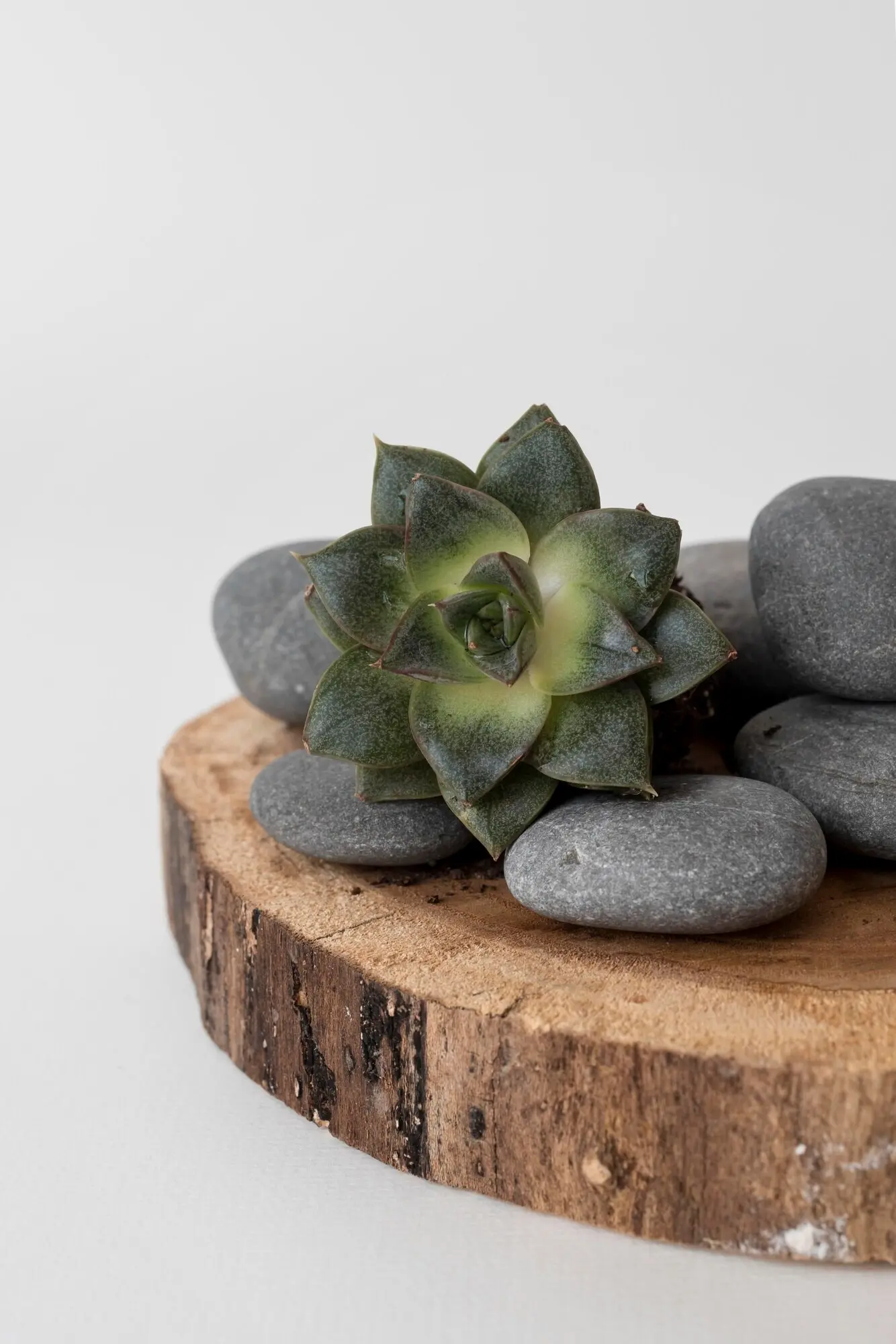
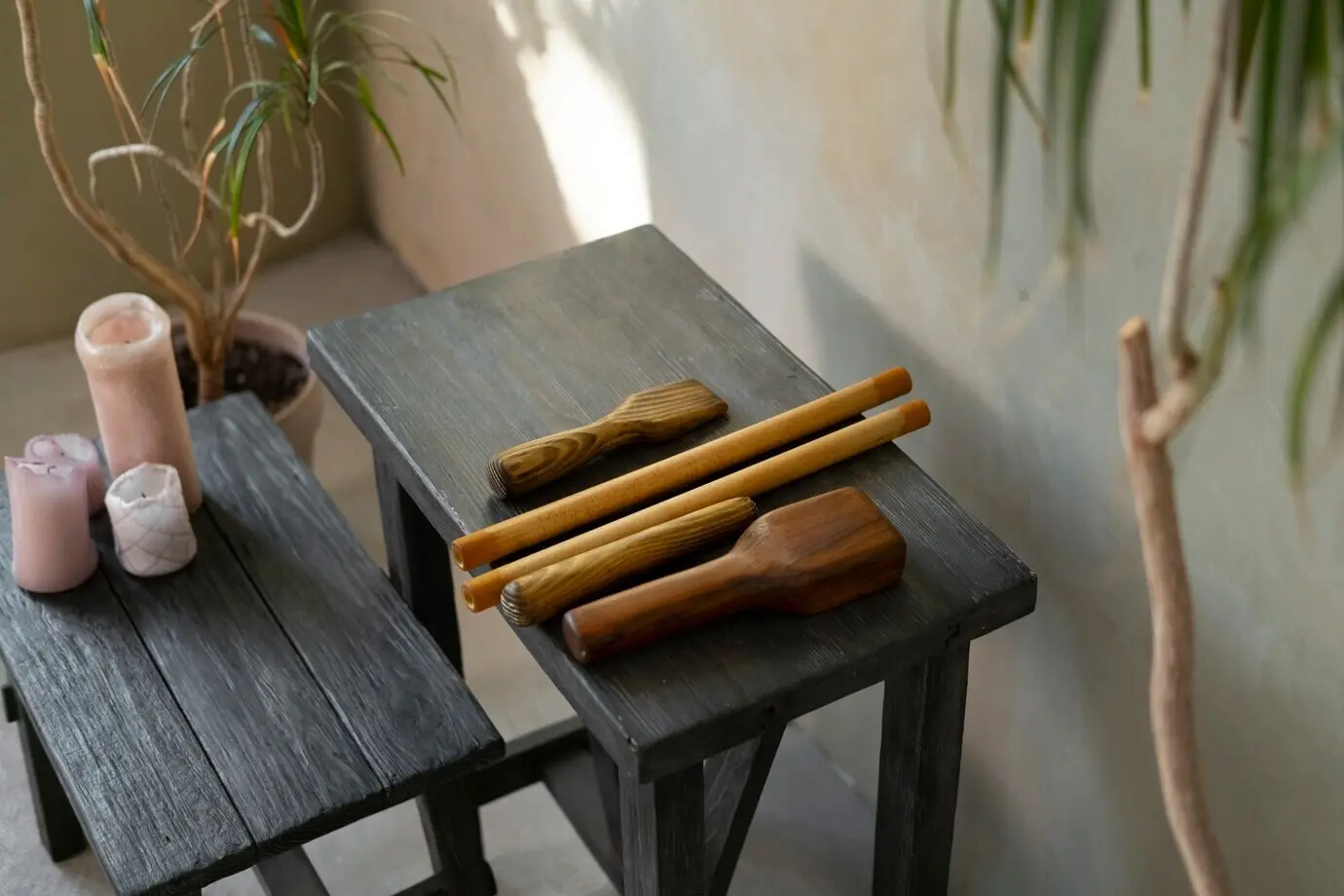
Maintenance is a love language for objects you intend to keep. Gentle cleaning, thoughtful storage, timely conditioning, and scheduled tune-ups transform ownership into stewardship. Scratches and dings need not be failures; they can be chapters added with skillful repair. By embracing visible mending, proper tools, and local expertise, you extend usefulness while deepening attachment. Rituals of care become small moments of calm, reminding you that longevity is nurtured, not merely promised at purchase.

The Watchmaker Who Saved a Family Heirloom

A brittle mainspring, a clouded crystal, and a tired gasket met a bench light and steady tweezers. Hours later, the movement beat evenly, sealed against dust, and the crown turned with quiet confidence. The owner heard a familiar tick from childhood, now steady on their wrist. No new watch could replace that sound. Patience, spare parts, and practiced hands returned time itself, proving repair can be more elegant than replacement.

A Weaver’s Rhythm, From Field to Fabric
Flax became linen through retting, spinning, and the clack of a shuttle. The weaver paused to reset a warp thread, refusing to hide the slight irregularity that gives cloth its soul. In the finished fabric, light danced across subtle slubs like notes on a staff. The buyer felt summer air pass through, cool and honest. Materials and technique met empathy, and a simple length of cloth earned its future gracefully.

The Cabinetmaker’s Lesson in a Single Dovetail

He cut pins first, pared tails by touch, and test-fit until the joint held without glue. Quarter-sawn oak flashed quiet ray fleck beneath a plane’s curl. When the drawer slid shut, it whispered rather than clattered, aligning true. The client asked why it mattered, and he smiled. Because when the unseen is sound, the seen rests easy. That drawer will guide smoothly long after the fashion of handles changes.

Building Your Lasting Collection, One Thoughtful Choice at a Time

A coherent, enduring collection grows from clear intentions and patient curation. Start with frequent-use anchors, then add modular, versatile companions that adapt across settings. Set a personal code for sourcing, serviceability, and aftercare support. Track cost-per-use to reframe value honestly. Invite accountability by sharing goals with friends or our community. In time, fewer, better choices reduce clutter, reveal your true taste, and leave room for serendipity when the right piece finally appears.

Materials That Matter: From Soil and Ore to Heirloom Quality
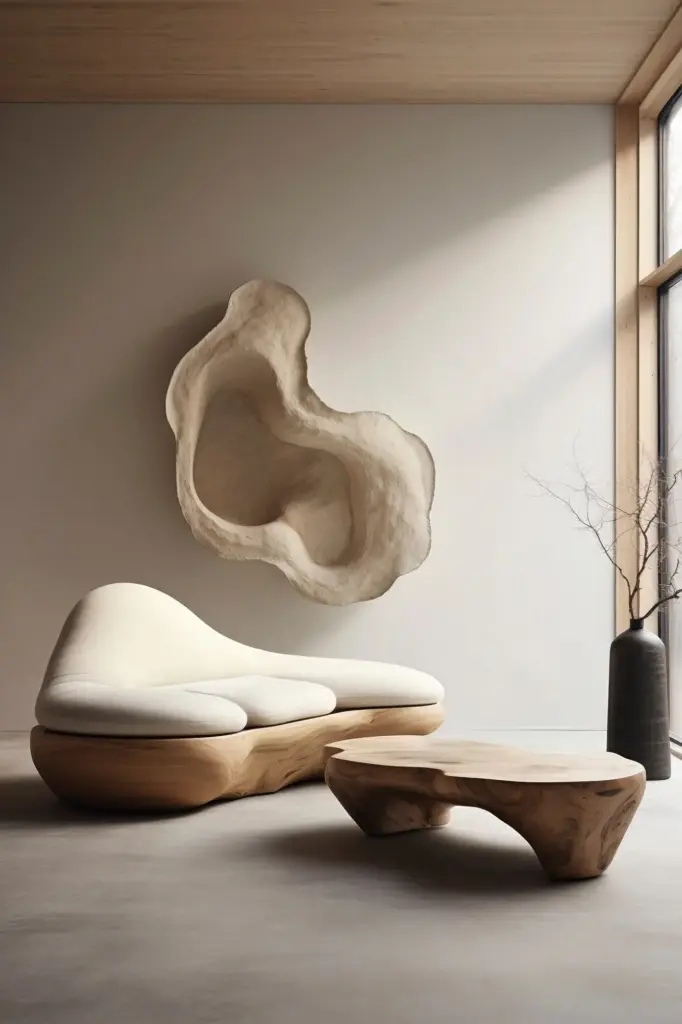
Understanding material lifecycles empowers better choices and better outcomes. Local woods reduce transport, recycled metals cut mining impacts, and regenerative fibers support soil health and animal welfare. Finishes must be safe to touch and easy to renew. Design decisions should anticipate disassembly, sorting, and responsible end-of-life pathways. When selection, treatment, and documentation align, you do more than buy something beautiful; you sponsor a chain of custody that respects land, labor, and time.

Responsible Woods and Finishes

Choose FSC-certified or responsibly harvested species, favoring durable local timbers like oak, ash, or maple. Quarter-sawn boards resist cupping and showcase quiet figure. Finish with hardwax oils or shellac that can be spot-repaired without stripping. Avoid heavy plastic coatings that trap scratches beneath a brittle surface. Ask for moisture content and joinery details. The right boards, cuts, and finishes make refinishing a pleasure and keep furniture serviceable long after design fads fade.

Recycled and Fair Metals with Traceable Origins

Metals can live many lives. Seek high recycled content aluminum and steel, fair-mined or recycled precious metals, and suppliers who publish smelter and refinery data. Understand work-hardening, passivation, and corrosion resistance so surfaces age predictably rather than fail suddenly. Favor mechanical fasteners over permanent adhesives for serviceability. When makers document alloys and treatments, you gain confidence in repair pathways, spare parts, and responsible recycling at the end of a very long road.
Zunatitunonale
Privacy Overview

This website uses cookies so that we can provide you with the best user experience possible. Cookie information is stored in your browser and performs functions such as recognising you when you return to our website and helping our team to understand which sections of the website you find most interesting and useful.