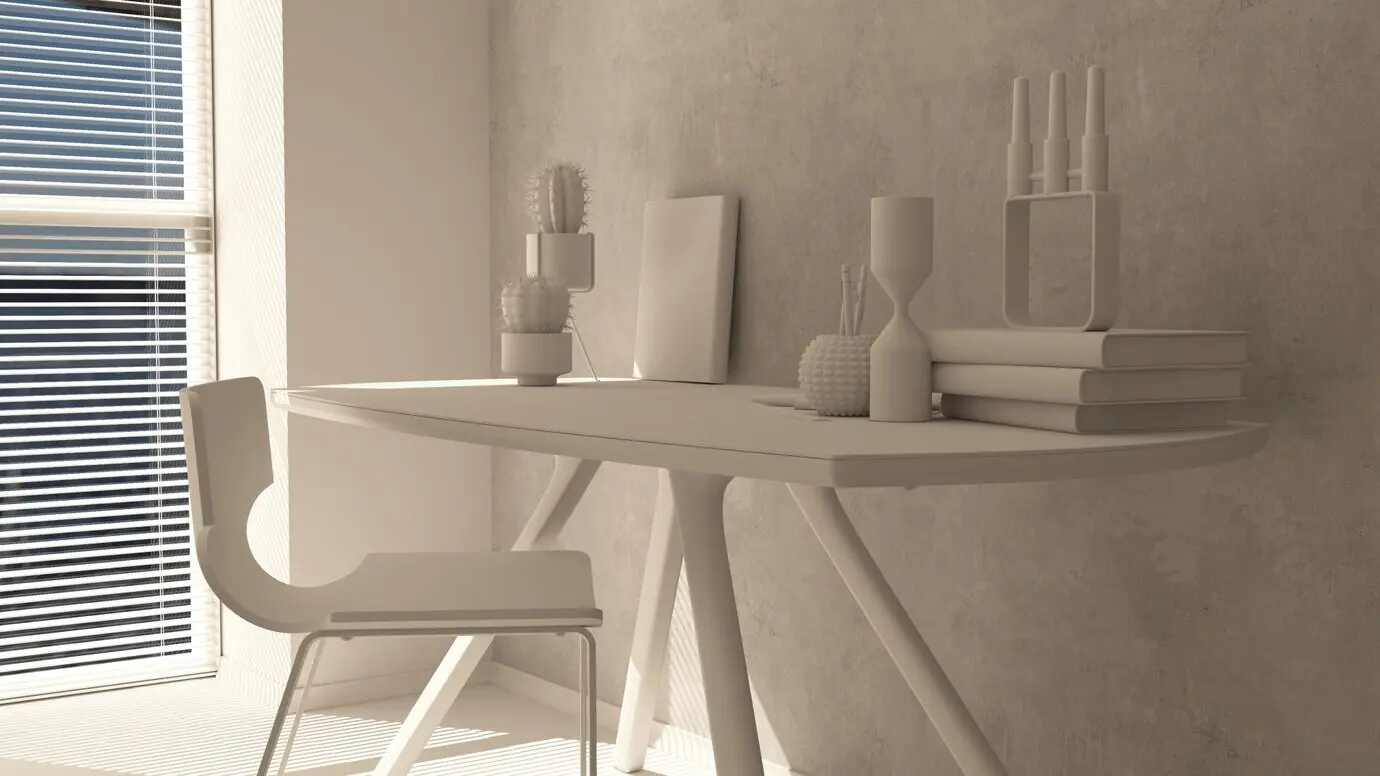
Quiet Luxury, Real-World Budget: High–Low Alchemy
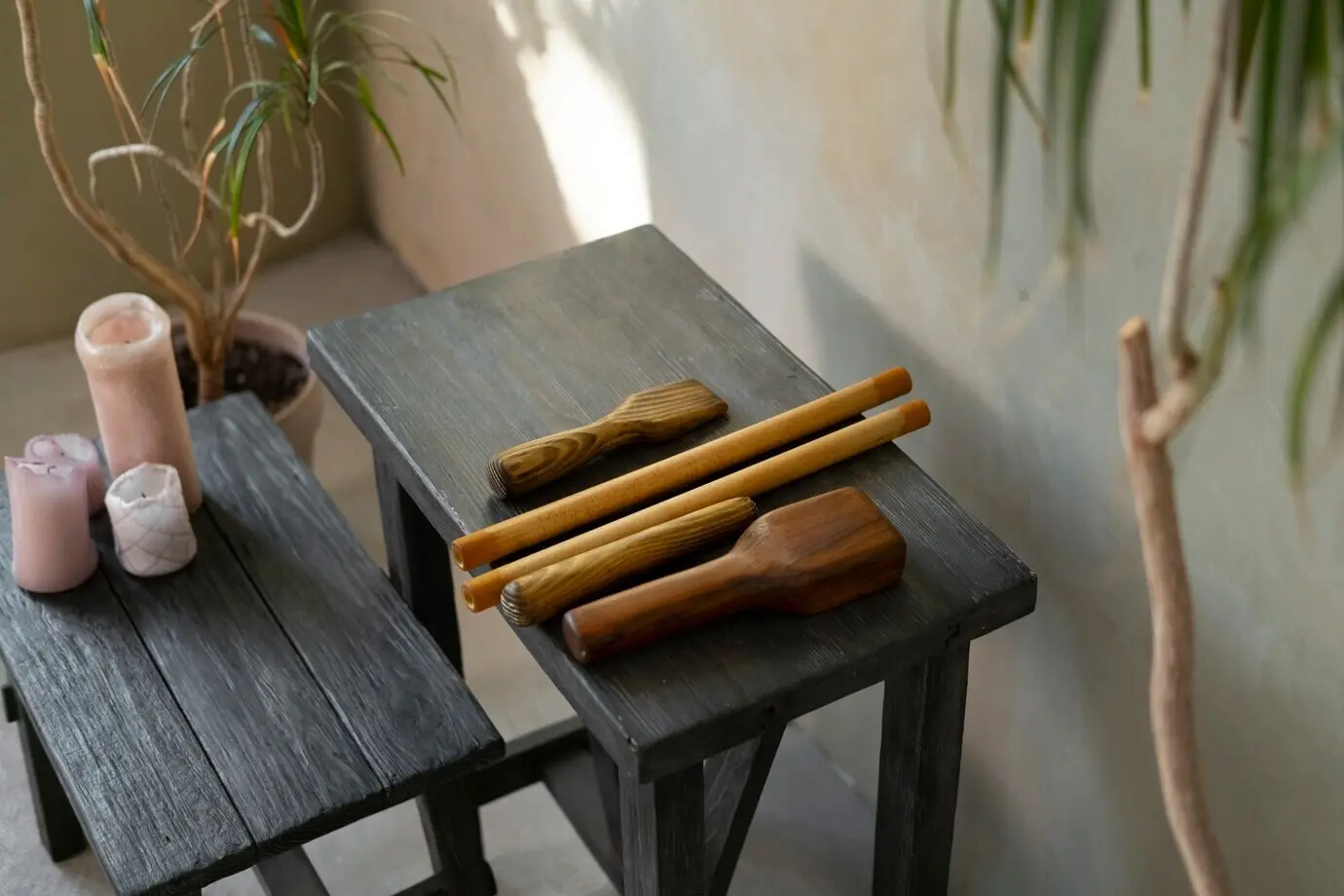
Today we explore High–Low Mix: Achieving an Understated Luxe Look on a Realistic Budget, blending thoughtful investment pieces with attainable finds to create a quietly polished presence. Expect field-tested strategies, relatable anecdotes, and decision frameworks that help you spend with intention, reduce visual noise, and elevate everyday style without chasing labels. We will prioritize materials, tailoring, timeless silhouettes, and care routines that extend lifespan, so every choice works harder. Share your wins, questions, and challenges as we build a smarter, calmer, beautifully edited approach together.

Foundations of a Refined High–Low Approach

Start by defining what “understated luxe” truly means to you, then align your spending, habits, and expectations. Quiet refinement is concentration, not excess: fewer items, better materials, thoughtful maintenance, effortless fit. We will map personal lifestyle needs, capture inspiration intelligently, and build a decision tree that prevents impulse buys. This foundation becomes your compass during sales, trends, and social pressure, ensuring each new piece complements your existing wardrobe and home rather than competing for attention.

Defining Quiet Luxury Beyond Price Tags

Understated elegance is more about proportion, texture, and restraint than the cost on a receipt. An unbranded, beautifully tailored blazer often feels richer than a loud logo. Consider how fabric drapes, how seams align, how buttons fasten, and how the color earns its space. Refinement is the cumulative effect of quality cues, consistent care, and personal ease. When intention leads, price follows, and your look reads confident, considered, and quietly elevated.

Setting a Realistic Budget and Priorities

Begin with an honest monthly or seasonal number that respects rent, savings, and life goals. Then rank categories by impact: outerwear, shoes, bags, tailoring services, and daily workhorses typically deserve more. Reserve a small discovery fund for unexpected treasures. Track outcomes, not just expenses—did the purchase multiply outfits, boost comfort, or survive heavy wear? Adjust allocations quarterly, celebrate restraint, and remember that skipping a purchase is often the most powerful luxury decision.

Materials, Textures, and Color That Whisper Luxury

Fabric Families That Elevate

Choose natural fibers with integrity: merino, cashmere blends, silk twill, crisp poplin, breathable linen, and dense cotton interlock. In leather, seek full-grain or top-grain with subtle pebbling and even dye. For suits and coats, inspect drape and hand-feel; cheaper pieces often appear shiny or stiff. Blend high-end fabric in one focal item, then surround it with simpler companions. The contrast subtly lifts everything, proving that one excellent material can elevate an entire look.

Textural Layering for Depth

Layer matte and lustrous surfaces to create dimensionality: brushed wool against smooth silk, pebbled leather near polished hardware, softly ribbed knit under a structured blazer. This interplay reads intentional and expensive, even if half the items came from outlets or vintage racks. Keep embellishment minimal and let texture do the work. When you vary scale—fine rib, medium weave, large boucle—you build quiet drama. Depth, not decoration, delivers that coveted whisper of luxury.

Color Strategy: Neutrals, Accents, and Restraint

A disciplined palette makes high–low combinations feel seamless. Anchor with balanced neutrals—stone, espresso, navy, charcoal—then add one controlled accent like oxblood, deep forest, or muted gold. Avoid chaotic saturation and multi-logo clashes. Consider undertones: cool versus warm can make affordable items feel intentional rather than random. Repeat colors across shoes, belts, and bags for coherence. When in doubt, remove one color and let negative space breathe; minimal palettes magnify texture and silhouette.

Wardrobe Tactics: From Tailoring to Thoughtful Accessories

Fit is the multiplier that transforms accessible pieces into something special. A $40 pant with a $25 hem and waist nip often rivals designer options. Shoes carry authority, while bags frame the entire outfit. Accessories supply nuance without shouting. We will use micro-adjustments—steaming, lint removal, simple polishing—to upgrade perception instantly. These habits reduce churn, cut replacement costs, and help every purchase realize its full potential across seasons and contexts.

Tailoring: The Secret Multiplier

Anecdote: a thrifted men’s blazer gained new life after a quiet shoulder soften, sleeve trim, and waist suppression—suddenly modern, impeccably balanced, endlessly wearable. Tailoring is not cosmetic; it is structural editing. Start with the shoulder; it is hardest to fix. Then assess sleeve length, jacket length, and button stance. Simple pant alterations—hem break, slight taper—deliver remarkable returns. A modest tailoring budget beats constant replacement, proving precision outperforms novelty almost every time.

Footwear and Bags: Smart Allocation

Shoes telegraph quality quickly, so consider investing where materials meet craftsmanship. Look for stitched soles, supportive footbeds, and repairable constructions. In bags, choose restrained silhouettes, reliable zippers, and discreet hardware. Rotate pairs and use cedar inserts to extend lifespan. When budget demands triage, pick one category to elevate and let the other stay classic and simple. Balanced shine from footwear or bags can make everyday basics suddenly read editorial and composed.

Jewelry and Finishing Touches

Delicate gold-tone hoops, a vintage chain, or a slim leather belt can focus the entire look. Mix fine with fashion pieces while respecting metal tones to avoid visual clutter. Polish watches, clean lenses, de-pill knits, and steam collars. A subtle fragrance and healthy shoe shine add intangible elegance. Treat finishing touches as the punctuation of your outfit: quiet, precise, and revealing of your standards. Small rituals signal care—and care always looks luxurious.

Applying High–Low Principles to Home and Interiors
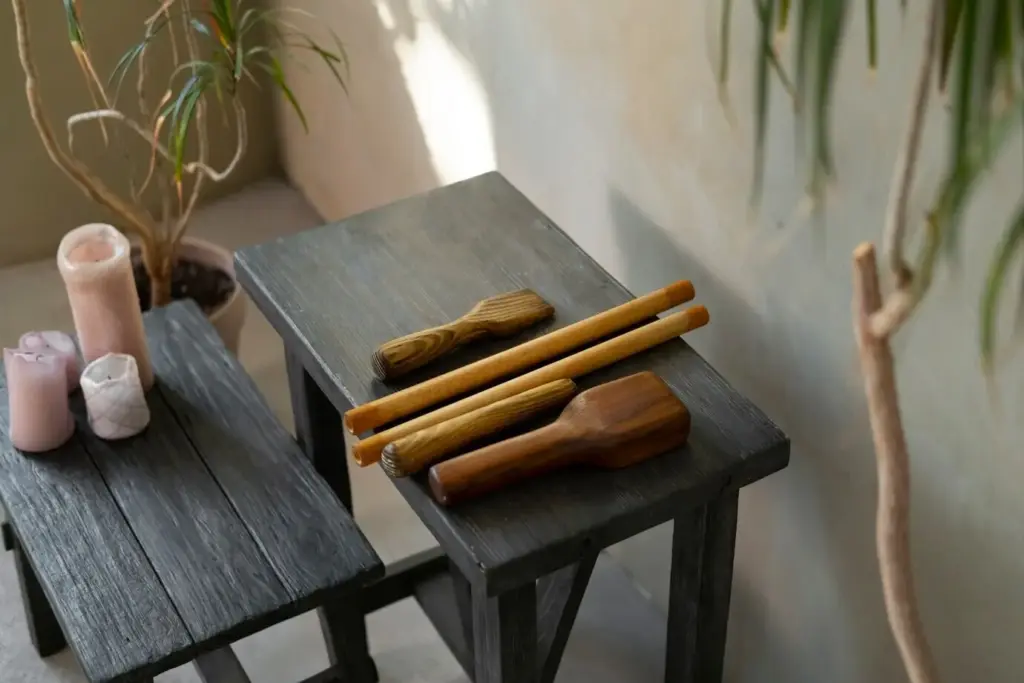
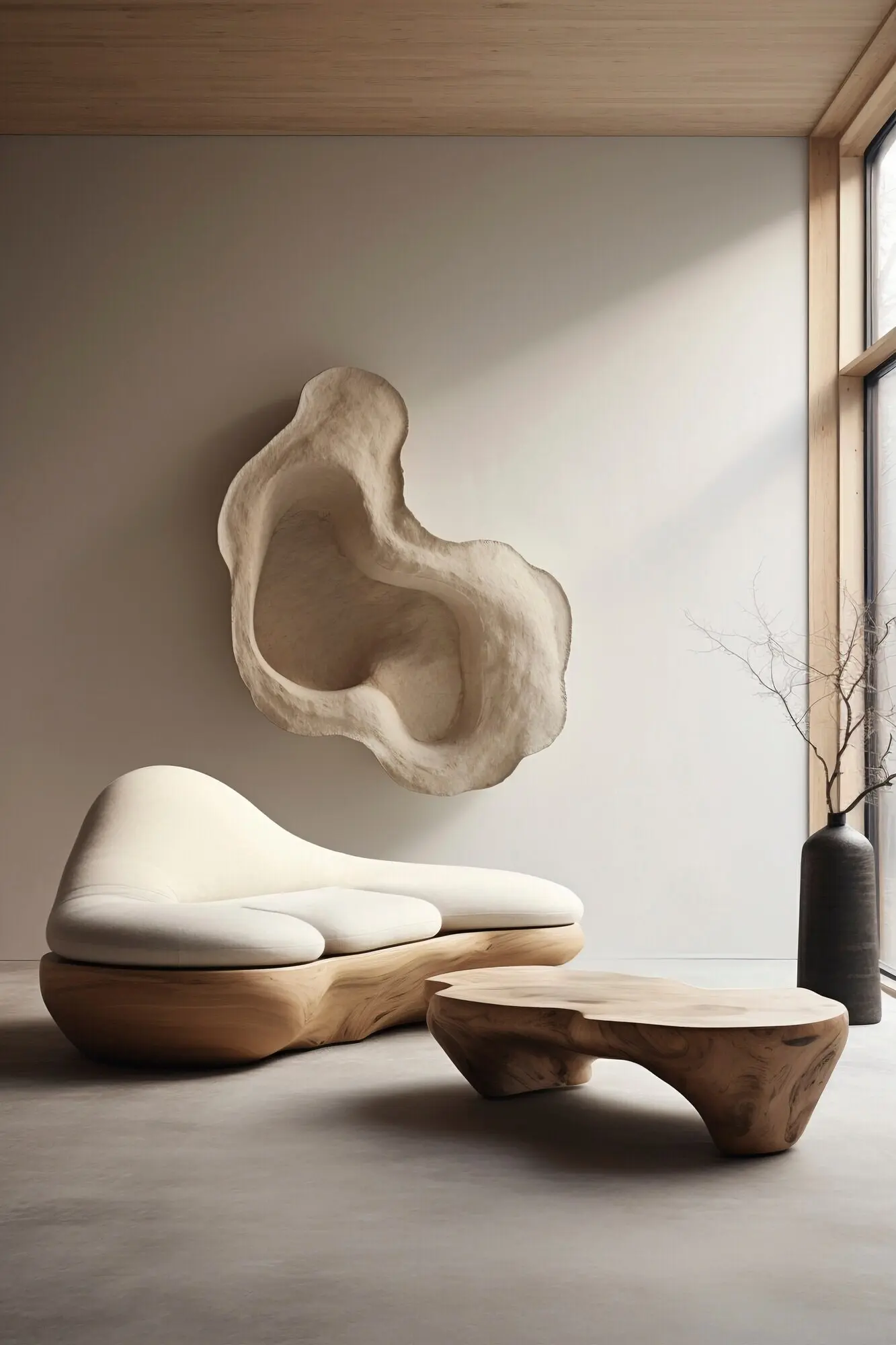
Elevated spaces emerge through hierarchy: one or two anchors set the mood, while affordable companions create breadth. Texture in textiles, thoughtful lighting, and meaningful objects outperform excessive decor. We will explore where to invest—sofa, mattress, dining chairs—and where to save with clever styling, secondhand finds, and simple upgrades. The goal is calm continuity: fewer things, better placement. Guests may notice something feels settled and warm before they identify a single brand.

Shopping Strategy: Timing, Sources, and Discipline

A realistic budget thrives on preparation. Learn brand size charts, materials, and past-season codes to spot value quickly. Cast a wide net across outlet stores, consignment, sample sales, and independent makers. Set alerts, walk away often, and revisit carts after sleep. Keep a running list of wardrobe gaps and home needs to prevent duplicate buys. The goal is fewer, better acquisitions that fit your life perfectly the moment they arrive.

Research, Timing, and Source Diversity

Subscribe to brand newsletters for seasonal patterns, stalk price histories, and leverage end-of-season sales when inventory meets patience. Shop secondhand platforms during midweek lulls and visit local consignments monthly. Explore emerging designers for craftsmanship before prices climb. Ask tailors and cobblers about underrated labels. Spread risk across sources; scarcity in one channel often means opportunity in another. When knowledge compounds, luck improves, and the right piece seems to find you exactly on budget.

Authentication and Quality Checks

For pre-loved gems, inspect stitching density, fabric labels, serials, and hardware engraving. Compare zipper pulls, logo fonts, and lining patterns with trusted references. Use blacklight on certain items and insist on detailed photos. Ask sellers about storage conditions and alterations. If in doubt, walk away—discipline preserves both funds and confidence. Remember, a pristine mid-tier piece can outperform a questionable designer bargain. Authenticity is peace of mind that translates into effortless wear.

Maintenance and Care Culture

Luxury is longevity. Steam clothes instead of over-washing, rotate soles with protective taps, condition leather seasonally, and de-pill knits gently. Master simple repairs—buttons, loose hems, minor scuffs—to extend life dramatically. Use garment bags, cedar, and breathable storage. Care unlocks true value, turning a reasonable purchase into a long-term companion. Share your best repair pros or home methods with our community so we all preserve what we love more sustainably and affordably.

Capsule Outfit: Office to Dinner Under $250
Start with a thrifted wool blazer tailored for $45, a crisp outlet poplin shirt, and well-cut high-street trousers. Add leather loafers from last season’s sale and a slim belt. Finish with a vintage chain for subtle shine. The blazer’s structure elevates everything, while tailoring ensures polish. Swap the shirt for a knit after hours, loosen the belt, and you have a confident transition that reads composed, modern, and quietly expensive without straining finances.

Living Room Refresh Under $750

Invest in a quality pre-loved wool rug, then pair with budget-friendly side tables and a linen-blend curtain upgrade. Replace knobs on an existing console and add two warm table lamps with dimmers. Style with books you already own and a single statement ceramic bowl. The rug anchors scale and color, while lighting softens edges. You will feel a calmer rhythm immediately, proving one considered investment can transform an entire space with modest support acts.
Zunatitunonale
Privacy Overview

This website uses cookies so that we can provide you with the best user experience possible. Cookie information is stored in your browser and performs functions such as recognising you when you return to our website and helping our team to understand which sections of the website you find most interesting and useful.