Layer Your Light, Quiet Your Home
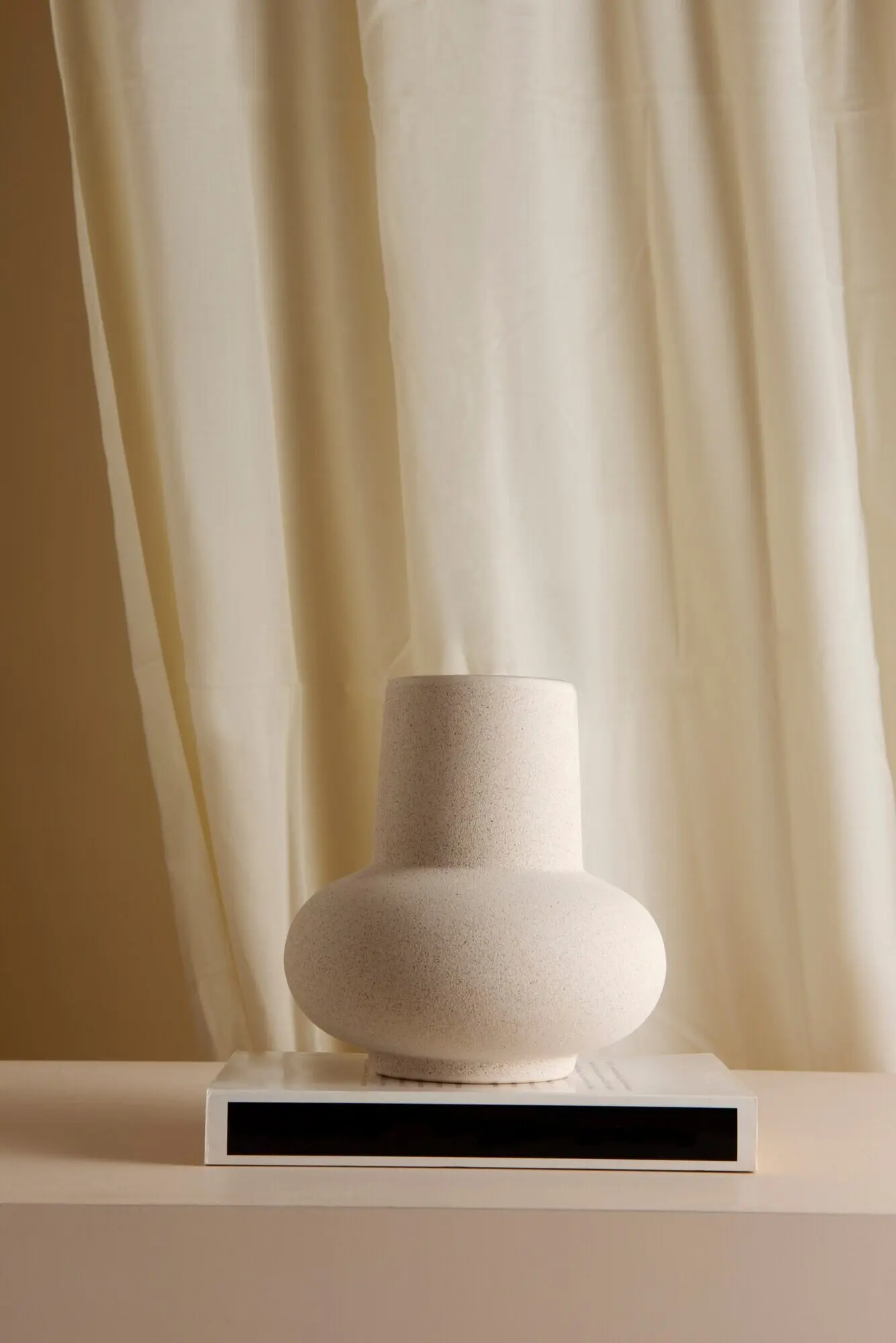

Today we dive into layered lighting design for a calm, sophisticated home, weaving ambient, task, and accent illumination so rooms breathe easily and moments feel intentionally shaped. You’ll learn how gentle contrasts, smart controls, and well-chosen fixtures soften edges, quiet visual noise, and celebrate texture. Expect practical layouts, small luxuries on sensible budgets, and field-tested routines that help your evenings unwind beautifully while mornings begin focused, bright, and warmly human.

The Three Layers Working in Harmony

Harmony begins by distinguishing what fills a room, what helps you work, and what adds meaning. Ambient light establishes safe, even orientation without glare. Task light brings crisp clarity exactly where hands and eyes meet. Accent light draws attention to architecture, art, and comforting textures. When their intensities and placements interlock, your space stays calm, your activities feel supported, and your eyes relax into generous gradients rather than jittery, fatiguing hotspots.
Think of ambient light as the inhale and exhale of your rooms, setting a gentle baseline that keeps walls legible and corners welcoming without demanding attention. Use soffit coves, bouncing off ceilings, or shaded fixtures to spread luminance softly. Keep brightness modest, layer multiple sources, and prioritize uniformity that calms, letting focal points emerge naturally rather than competing for your gaze.
Task illumination should land like a considerate friend, bright where needed yet never abrasive. Under-cabinet strips that shield diodes, desk lamps with glare-cut shades, and directional spots with tight beams give you accuracy for chopping, reading, or sewing. Balance contrast with nearby ambient sources so pupils don’t struggle, and choose switches that dim smoothly to avoid jarring transitions between activities throughout your day.
Accent light is where personality whispers. Picture a wall-washed linen texture, a cherished painting floated by a narrow beam, or a plant leaf shining like velvet. These touches shape depth cues that make rooms feel larger and more layered. Keep intensity lower than task light, aim precisely to avoid spill, and let shadows tell their story without stealing comfort from conversation or rest.

Color Temperature, Rhythm, and Mood

A calmer home respects the body’s clock. Cooler white supports alert, detailed tasks; warmer tones soothe and invite closeness. Place warmer sources at eye level for evenings, and let higher color temperatures live overhead earlier in the day. Combine dimming with tunable lamps so your scenes drift, not snap, from morning clarity to twilight amber, guiding focus, appetite, and sleep with gentle, science-backed cues.

Fixtures That Serve and Shine

Choosing fixtures is less about brand badges and more about optics, shielding, and honest application. A recessed downlight with tight beam control behaves differently from a wide, forgiving flush mount. Floor lamps move with you, while sconces sculpt vertical planes. Favor high color rendering, quiet finishes, and replaceable components. The right mix supports maintenance, durability, and timelessness, keeping visual clutter low and everyday delight refreshingly high.

Ceilings and Recessed Downlights, Used With Restraint

Recessed fixtures earn their keep when planned purposefully. Space them by ceiling height and beam angle rather than a uniform grid, and avoid placing them above foreheads or reflective countertops. Use wall-washing trims at room edges to stretch height and calm shadows. Combine with coves or pendants so ceilings glow softly and faces remain flattering, letting the room feel composed instead of clinically overlit.

Floor and Table Lamps as Movable Comfort

Portable fixtures are the easiest way to deepen layers without rewiring. A slender floor lamp behind a sofa anchors evening reading; a weighted table lamp brings companionship to a desk or bedside. Seek diffusers that hide hotspots, cords that reach gracefully, and dimmers within easy touch. Their adjustability allows seasonal rearrangements and party setups, giving warmth exactly where conversation, knitting, or journaling happens.

Wall Washers and Sconces for Silky Surfaces

Vertical illumination relaxes the eye by balancing bright floors and darker walls. Wall washers lengthen rooms visually, while shaded sconces create halos that flatter art and human faces. Choose units with good cutoff, avoiding bare bulbs that pierce. Aim for even ribbons of light that smooth plaster, brick, or bookshelf spines, adding hushed elegance and reducing contrast that otherwise shouts across your field of view.

Dimming, Control, and Seamless Habit

Controls should disappear into routine, not dominate it. Prioritize dimmers with smooth low-end performance and consistent color through the curve. Layer scenes for greeting, dining, reading, and closing the house, assigning them to intuitive buttons or voice. Automations can follow sunrise yet stay editable for human quirks. Simplicity protects calm; choose fewer, clearer controls that your guests can understand without explanation or awkward fumbling.

The Art of the Glide: Dimming Curves That Feel Natural

The most luxurious dimming is felt, not seen. Look for drivers that dim to one percent without color shift or flicker, and ensure compatibility between lamps and controls. Test scenes at night, noticing how reflections behave on glass and polished stone. Favor warm-dim sources in living areas so light temperature lowers as brightness falls, mirroring candlelight and telling everyone’s nervous systems it is safe to settle.

Scenes and Automations That Respect Real Life

A good scene anticipates messy schedules. Build quick-access buttons for late-night water runs, early workouts, movie marathons, and dinner with friends. Tie entry lights to arrival while keeping brightness gentle, and use temporary boosts for cleaning rather than permanent glare. Leave room for spontaneity by enabling manual nudges that temporarily override schedules, then gracefully return to baseline, preserving calm without turning your home into a blinking gadget.

Materials, Glare, and Visual Comfort

Calm sophistication thrives when light meets materials thoughtfully. Matte paints and textured fabrics drink brightness, while polished stone and glass reflect it eagerly. Choose finishes that balance each other so eye levels stay comfortable. Shield light sources to protect against harsh pinpoints, and lean on indirect strategies that bounce illumination. The goal is balanced contrast that flatters faces, celebrates craftsmanship, and keeps attention on conversation and presence.

Living Room: Conversation, Cinema, and Unwinding
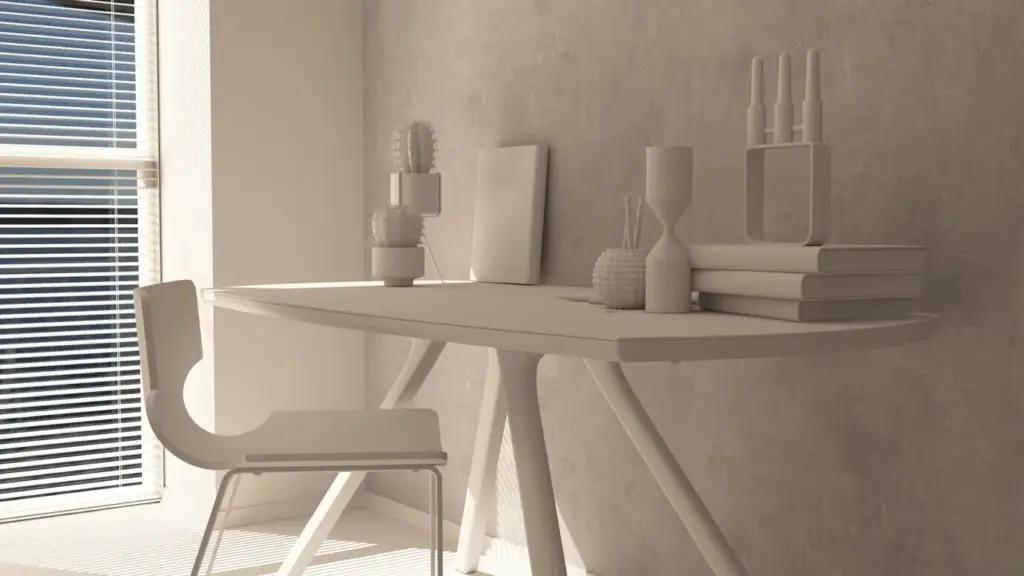
Float a soft ambient layer with cove LEDs or shaded uplights, then locate task pools for reading beside chairs and games at the coffee table. Add accent grazers for art or textured curtains, and give the television a gentle bias light to rest eyes. Create scenes for guests, solo evenings, and family movie nights, each distinct yet all warmly inviting and easy to recall.

Kitchen: Clarity for Craft, Warmth for Gatherings
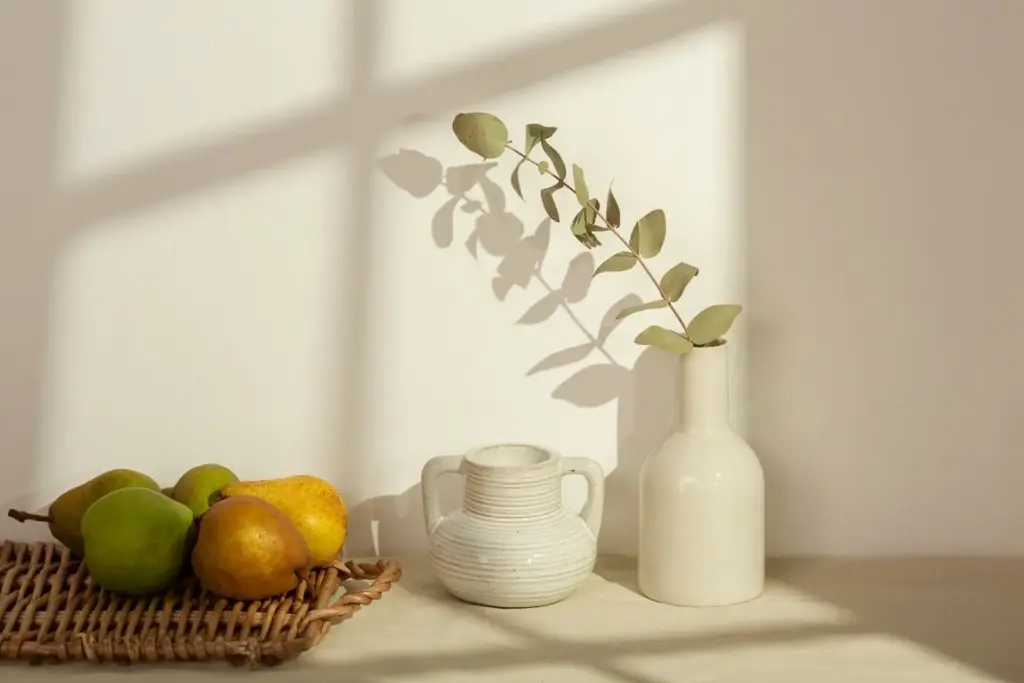
Start with indirect ceiling glow or evenly spaced, well-aimed downlights that avoid shining on foreheads. Add under-cabinet task ribbons with excellent color rendering for produce and meat, and consider toe-kick night lighting for safe, sleepy navigation. Over the island, use dimmable pendants that sparkle gently, then transition to warmer tones for dinner, letting conversation linger while cleanup happens in pleasantly supportive, not blinding, brightness.

Bedroom and Bath: Rituals, Rest, and Early Light

In the bedroom, avoid downlights over the pillow. Favor shaded lamps and low-output accents that respect sleep, with warm-dim bulbs that exhale as you do. In the bath, use vertical sconces flanking the mirror for flattering faces, and add soft indirect night paths. For dawn routines, introduce gradually brightening neutral light, treating early hours like a welcome rather than a blare.
Zunatitunonale
Privacy Overview

This website uses cookies so that we can provide you with the best user experience possible. Cookie information is stored in your browser and performs functions such as recognising you when you return to our website and helping our team to understand which sections of the website you find most interesting and useful.